
Oliver Grimm is the Head of the Outpatient Department for Adult ADHD and Senior Physician at University Hospital Frankfurt. He leads the Computational Neuropsychiatry group, which focuses on AI applications in psychiatry and neuroimaging in psychiatric disorders. He is the principal investigator of a neuroimaging project at the LOEWE Center DYNAMIC and leads the ATHENE PADAM (Medical NLP) and PSYCH-GPT (Computational Mapping of Semantic Processing Disruptions in Psychiatric Disorders) projects. He works closely with interdisciplinary partners from Goethe University and TU Darmstadt.
Department of Psychiatry, Psychosomatics and Psychotherapy University Hospital Frankfurt
The Adult Psychiatry research groups at the CoBIC investigate mental disorders with a focus on affective disorders and their underlying neurobiological, metabolic, and computational mechanisms. Bridging clinical psychiatry, brain imaging, metabolic medicine, and artificial intelligence, the groups bring together complementary expertise to uncover the pathways driving disease onset, progression and treatment response.
They employ a broad methodological spectrum – spanning brain imaging, biomarker profiling, cognitive assessment, and cutting-edge computational approaches – to study mental illness from multiple angles. A shared commitment to translational research connects their work: from identifying biological markers to developing tools that bring precision medicine closer to clinical practice.
The Computational Neuropsychiatry Group
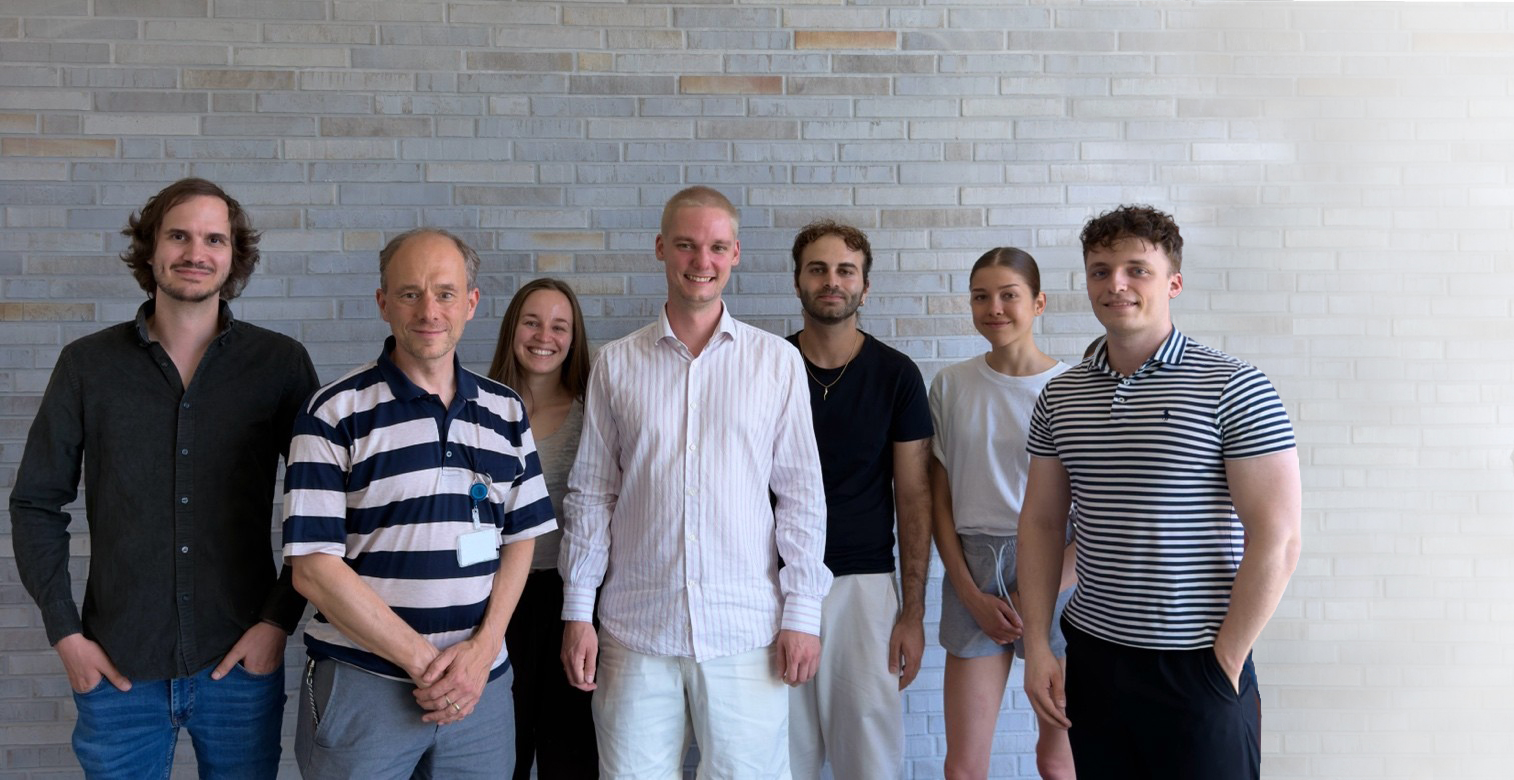
The Computational Neuropsychiatry group bridges cutting-edge neuroimaging, AI technologies, and clinical research.
As vague and heterogeneous diagnoses remain a major challenge in psychiatry and psychology, the Computational Neuropsychiatry Group is modelling psychiatric disorders by capturing markers of clinical conditions and aligning brain networks with their underlying functions. We work in an interdisciplinary environment that brings together clinical expertise (especially with ADHD), neuroimaging, and recent developments in artificial intelligence.
A central part of our research focuses on speech recordings of diagnostic interviews. We use these to investigate how modern AI-models handle transcripts from individuals with psychiatric disorders, and whether they can produce diagnoses that match the gold-standard clinical diagnosis. We also study whether Large-Language-Models (LLMs) can identify diagnoses based on speech patterns that are distinct for certain disorders.
Finally, we are interested in how LLMs and the human brain align, for example through speech understanding. We address this question, comparing representational structures between LLMs and human brain activity, both for healthy control groups and clinical groups.
We use neuroimaging data including MRI and EEG to investigate how neural networks are altered in psychiatric disorders or pharmacological interventions.
As part of University Hospital Frankfurt, we work closely with our in-patients and medical experts to ensure that our approaches are clinically grounded and directly relevant to real-world clinical practice. A central focus lies on ADHD and synergy with the ADHD outpatient clinic (headed by Prof. Grimm).
Methods
- MRI
- EEG
- Ecological Momentary Assessment (EMA)
- Diagnostic interview recordings and transcripts
- Brain–LLM Alignment
- Computational modelling of psychiatric disorders
Group members The Computational Neuropsychiatry Group
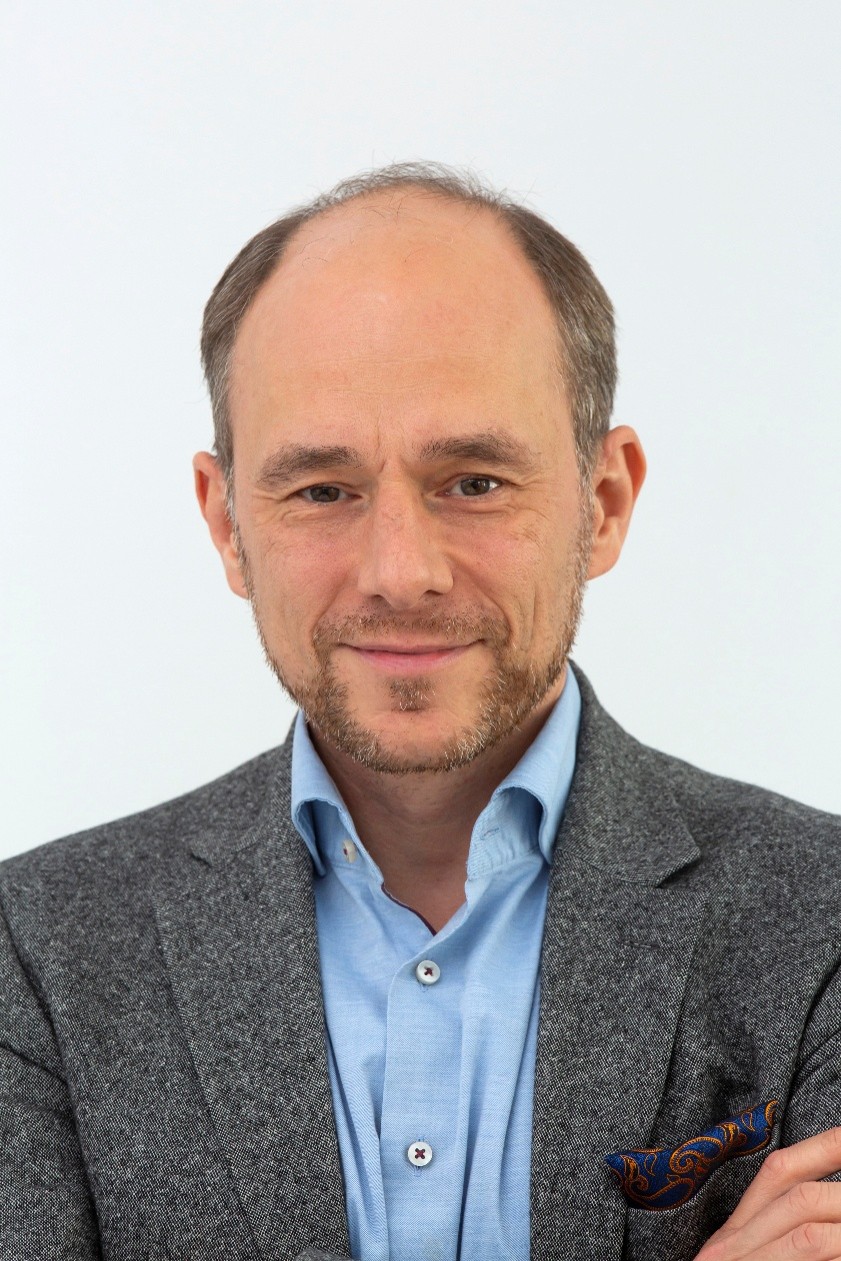
Apl. Prof. Dr. med. Oliver Grimm, M.Sc.
Group Leader Computational Neuropsychiatry
Department of Psychiatry, Psychosomatic Medicine and Psychotherapy
O.Grimmmed.uni-frankfurt.de
Dr. med. Hendrik Kröger, M.Sc.
Research Associate (PhD) | Study Physician
Department of Psychiatry, Psychosomatic Medicine and Psychotherapy
Kroegermed.uni-frankfurt.de
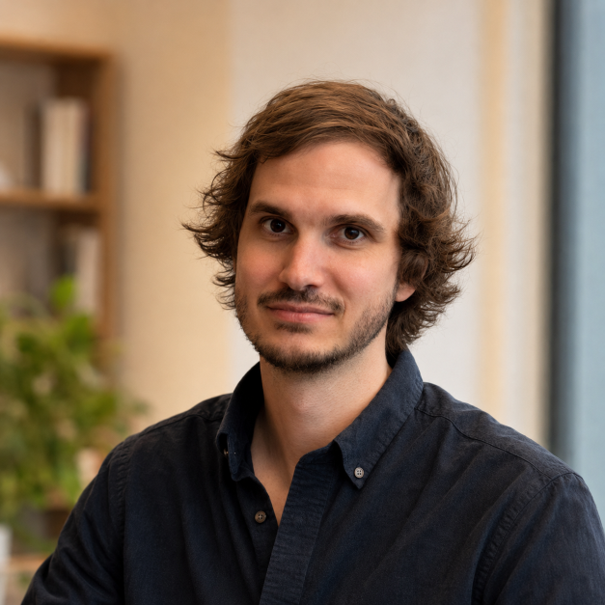
Hendrik Kröger is a doctoral researcher and study physician investigating the computational modelling of psychiatric disorders and providing clinical oversight for psychopharmacological studies. With a background in audio engineering, medicine and cognitive neuroscience, his research focusses on naturalistic auditory processing in ADHD, depression and schizophrenia using fMRI and LLM-based language analysis. His work aims to advance language-based diagnostic tools in clinical psychiatry.
Christopher Landau M.Sc.
Research Associate (PhD)
Department of Psychiatry, Psychosomatic Medicine and Psychotherapy
c.landaurz.uni-frankfurt.de
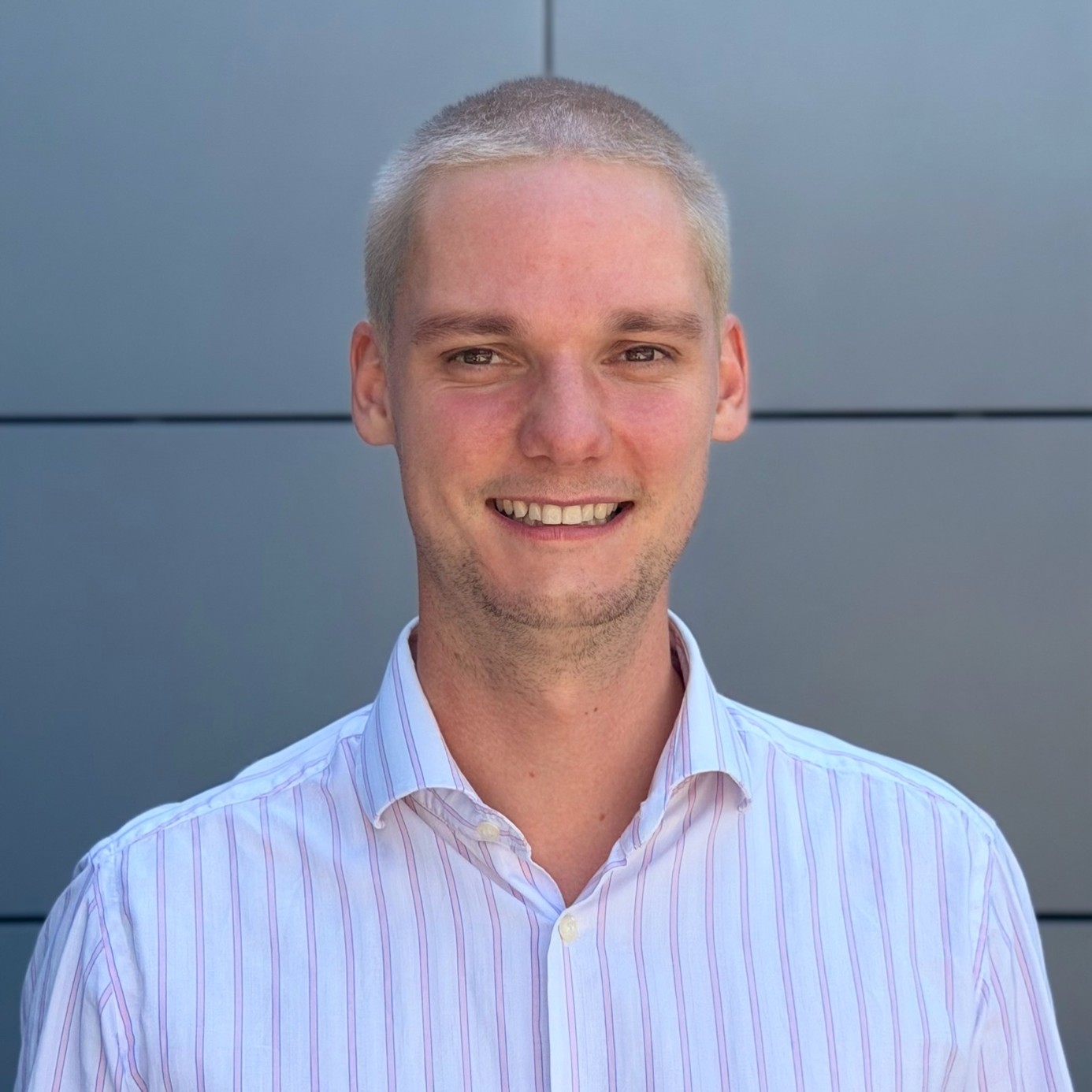
Christopher Landau is a doctoral researcher investigating the clinical applicability of Large Language Models (LLMs) and speech-based analysis in psychiatric care. By collecting real-world data from psychotherapy sessions and ADHD diagnostic interviews, he bridges the gap between standard benchmarking studies and complex, real-world clinical tasks. His research examines whether state-of-the-art models are truly ready for daily medical practice. Specifically, he investigates model behavior, identifies core strengths, and addresses critical shortcomings to ensure safe and reliable deployment in high-stakes healthcare environments.
Kamil Piwowar, M.Sc.
Research Associate (PhD)
Department of Psychiatry, Psychosomatic Medicine and Psychotherapy
Piwowarmed.uni-frankfurt.de
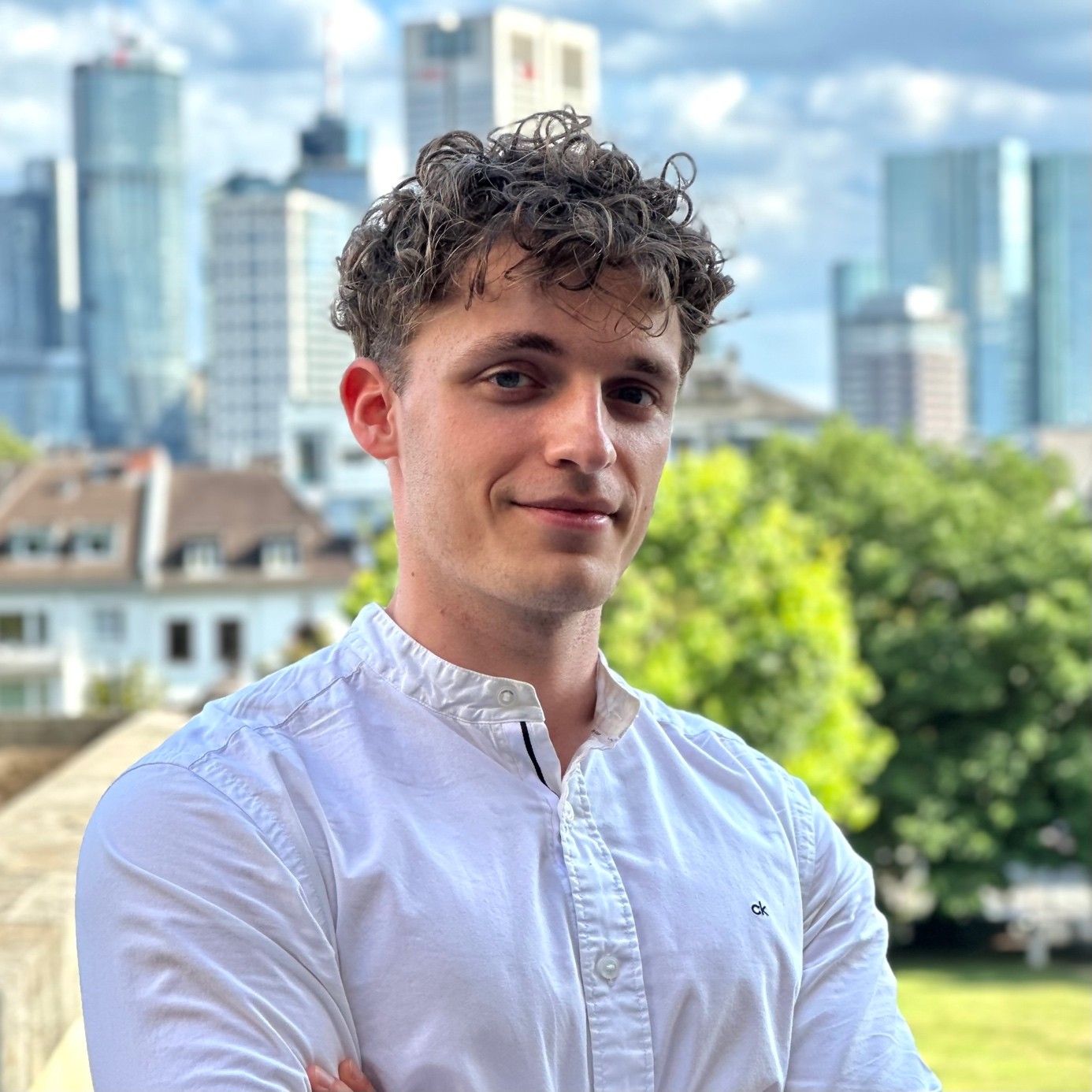
Kamil Piwowar is a doctoral researcher investigating semantic representations of ADHD, depression, and schizophrenia patients, healthy controls, and Large Language Models, bridging psychiatry, neuroscience, and AI research. His current project aims to uncover how semantic information is represented in the brain and whether LLMs can serve as computational models of human semantic processing in clinical populations.
Lorina Zapf, M.Sc., M.Sc.
Research Associate (PhD)
Department of Psychiatry, Psychosomatic Medicine and Psychotherapy
+49(0)69 6301-95675
l.zapfmed.uni-frankfurt.de
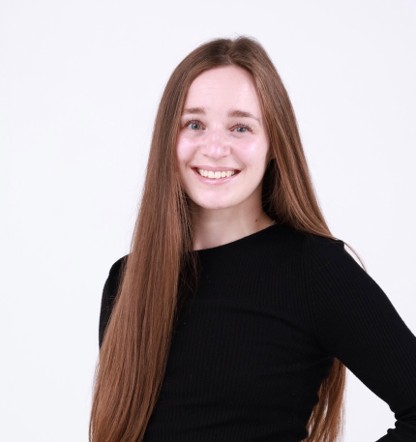
Lorina Zapf is a doctoral researcher investigating how pharmacological interventions such as Esketamine and Midazolam influence dynamic networks in the brain. Her work aims to advance our understanding of neural mechanisms underlying psychiatric treatments and how changes in brain network dynamics relate to mental health. She combines multimodal brain imaging data such as MRI and EEG, as well as ecological momentary assessment data.
The Predictive Psychiatry Group
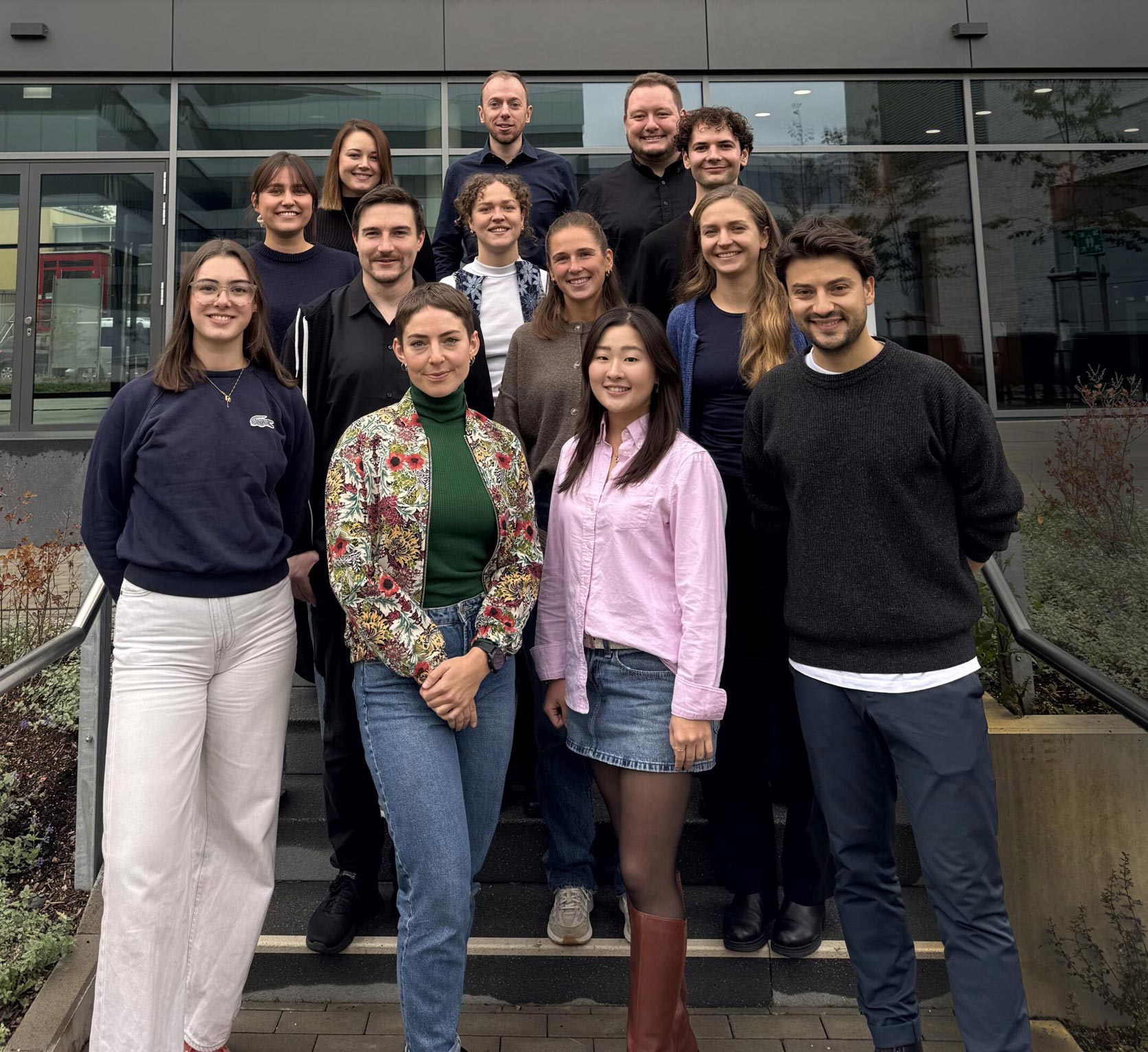
The Predictive Psychiatry group studies neurobiological and clinical markers to predict disease trajectories and treatment response in mental disorders, enabling personalized, evidence-based psychiatry.
The Predictive Psychiatry group aims to identify clinical and neurobiological markers that predict disease course and treatment response in mental disorders. Their research combines multimodal neuroimaging, with a focus on structural and functional connectomics, blood-based biomarkers including genetic and metabolic markers, clinical characterization, and cognitive testing to uncover mechanisms underlying disease progression.
The group’s research interest aims to translate these insights into precision psychiatry by identifying patient subgroups most likely to benefit from specific treatments.
This includes pharmacotherapy, transcranial magnetic stimulation (TMS), or electroconvulsive therapy (ECT). By integrating brain imaging, cognitive assessment, and biomarker data, they develop predictive models that guide individualized treatment strategies and optimize clinical outcomes in affective and other psychiatric disorders.
Methods
- MRI
- Transcranial Magnetic Stimulation (TMS)
- structural and functional Connectomics
- Modeling of psychological and symptom networks
- Network Control Theory
- Normative Modeling
Group members Predictive Psychiatry
Prof. Dr. med. Jonathan Repple
Group Leader Predictive Psychiatry
Department of Psychiatry, Psychosomatic Medicine and Psychotherapy
reppleem.uni-frankfurt.de
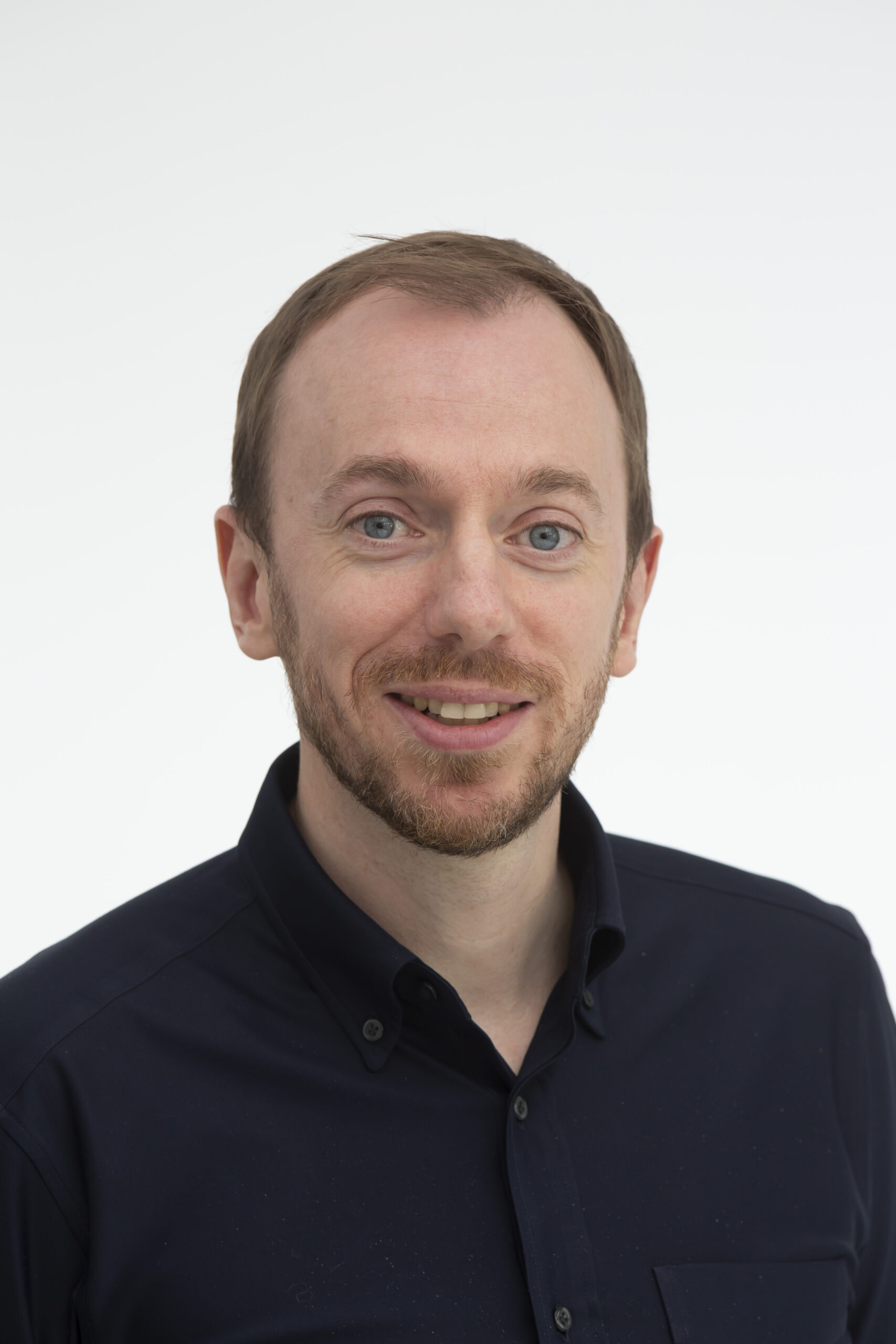
The group leader Jonathan Repple is Professor of Predictive Psychiatry and Chief Senior Physician at University Hospital Frankfurt. His research focuses on predicting treatment response and long-term outcomes in affective disorders using multimodal neuroimaging, blood biomarkers, and clinical characterization. He studies structural connectomics, cognitive dysfunction in psychiatric disorders, and effects of neuromodulatory treatments (ECT, TMS), aiming to optimize individualized therapy for depression.
Dr. Marius Gruber, M. Sc.
Research Associate (Post doc)
Department of Psychiatry, Psychosomatic Medicine and Psychotherapy
m.grubermed.uni-frankfurt.de
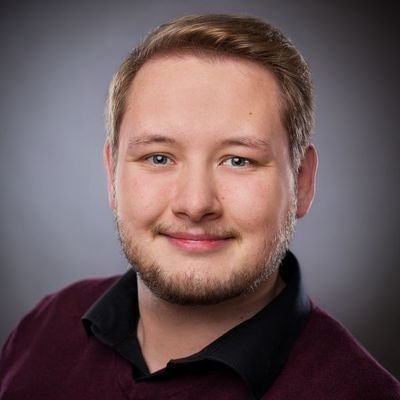
Marius Gruber is a Postdoctoral Research Associate at the Department of Psychiatry, Psychosomatic Medicine and Psychotherapy at University Hospital Frankfurt. His research focuses on cognitive dysfunction and neurobiological mechanisms of mental disorders, with a particular emphasis on depression. He investigates individual trajectories of depressive symptoms during treatment using connectomics, network analysis, and advanced MRI methods to better understand brain–behavior relationships and treatment response.
Alicia Mohn, M.Sc.
Research Associate
Department of Psychiatry, Psychosomatic Medicine and Psychotherapy
a.mohnmed.uni-frankfurt.de
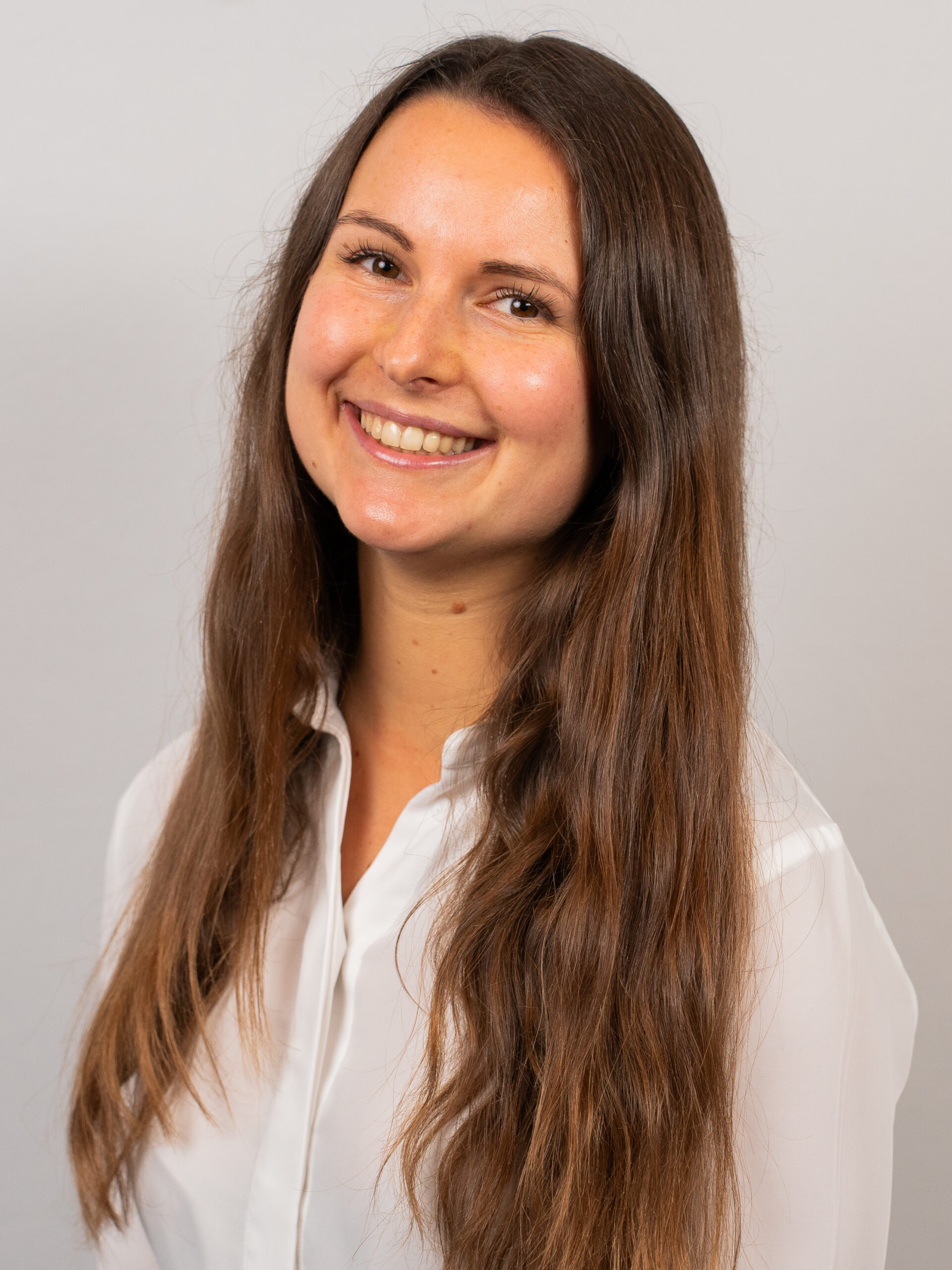
Alicia Mohn is a Research Associate at the Department of Psychiatry, Psychosomatic Medicine and Psychotherapy at University Hospital Frankfurt and the Cooperative Brain Imaging Center (CoBIC). Her work focuses on cognitive dysfunction and individual symptom networks in affective disorders. With a background in clinical psychology, she integrates research and clinical training in cognitive behavioral therapy, aiming to advance personalized approaches to understanding and treating affective disorders.
Stefanie Fischer
Clinician Scientist/Resident
Department of Psychiatry, Psychosomatic Medicine and Psychotherapy
+49(0)69 6301-95670
st.fischermed.uni-frankfurt.de
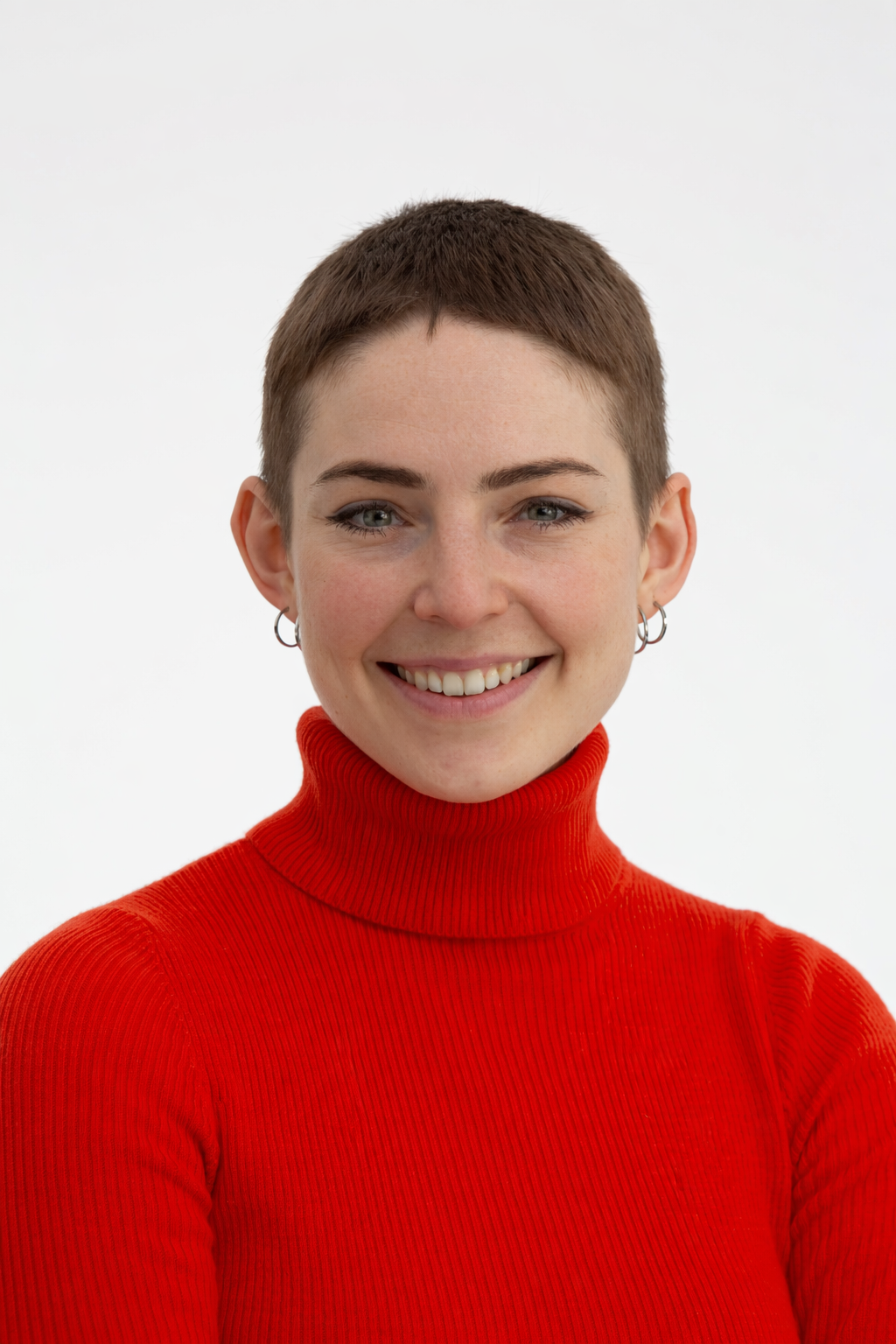
Stefanie Fischer is a Clinician Scientist and Resident at the Department of Psychiatry, Psychosomatic Medicine and Psychotherapy at University Hospital Frankfurt and the LOEWE Research Center DYNAMIC. She is also a PhD candidate at the Cooperative Brain Imaging Center (CoBIC). Her research focuses on connectomics, imaging genetics, and transcriptomics, integrating neuroimaging, genetic risk scores, and gene expression data to investigate the neurobiological basis of psychiatric disorders.
Lea Krätzig, M. Sc.
Research Associate (PhD)
Department of Psychiatry, Psychosomatic Medicine and Psychotherapy
kraetzigmed.uni-frankfurt.de
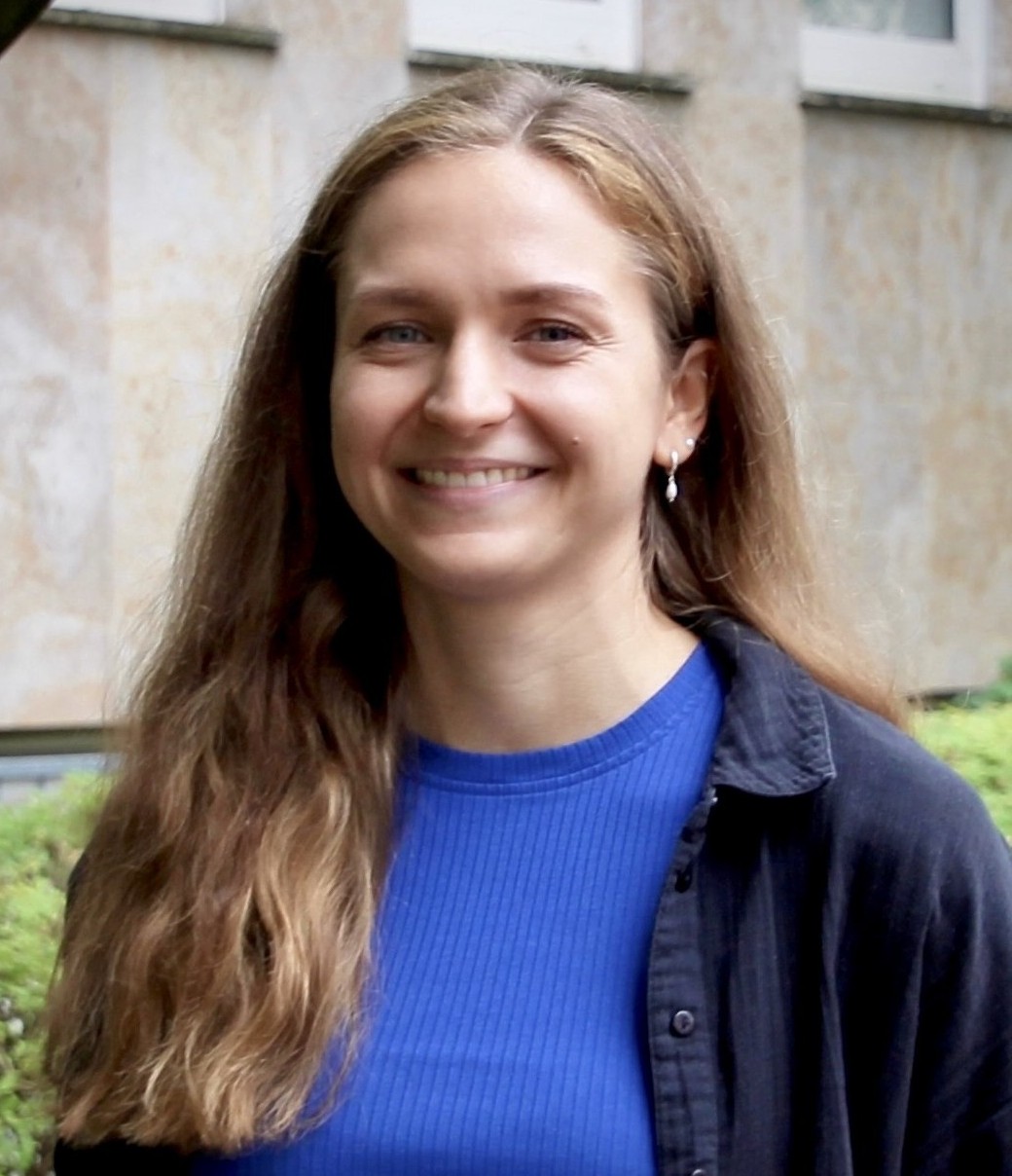
Lea Krätzig is a Research Associate (PhD Student) at the Department of Psychiatry, Psychosomatic Medicine and Psychotherapy at University Hospital Frankfurt and the Cooperative Brain Imaging Center (CoBIC). Her research focuses on modeling symptom networks in posttraumatic stress, affective, and anxiety disorders, including longitudinal changes during treatment. She investigates neuromodulatory interventions such as transcranial magnetic stimulation (TMS) and applies statistical and network-based methods to understand symptom dynamics.
Sonja Langenstein, M.Sc.
Research Associate
Department of Psychiatry, Psychosomatic Medicine and Psychotherapy
langensteinmed.uni-frankfurt.de
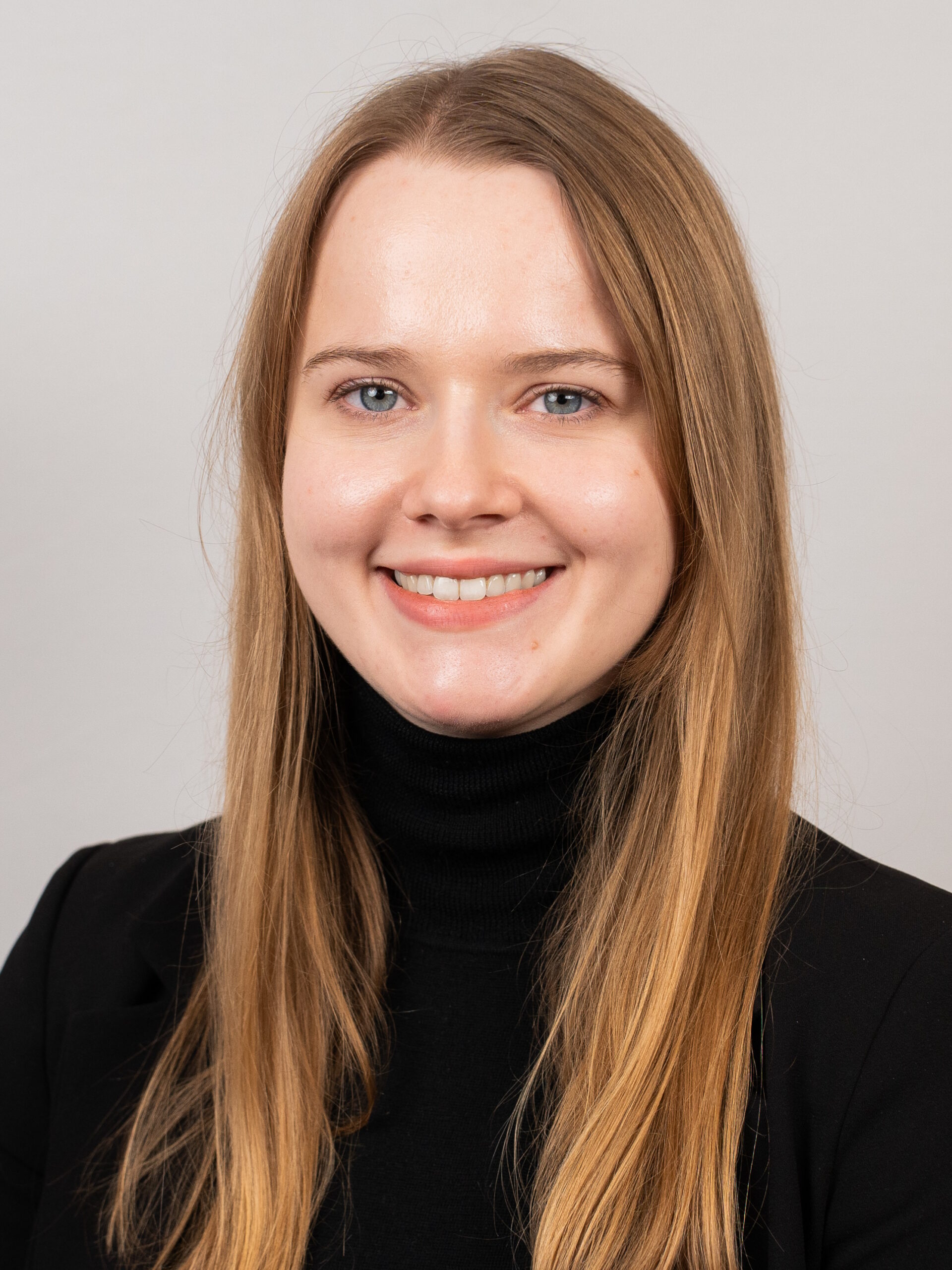
Sonja Langenstein is a Research Associate at the Department of Psychiatry, Psychosomatic Medicine and Psychotherapy at University Hospital Frankfurt and the Cooperative Brain Imaging Center (CoBIC). Her research focuses on affective disorders, including individual trajectories of depressive symptoms during treatment and the use of transcranial magnetic stimulation (TMS). She investigates predictors of response to antidepressant therapies to advance personalized treatment approaches for depression.
Paula Rehm, M.Sc.
Research Associate (PhD)
Department of Psychiatry, Psychosomatic Medicine and Psychotherapy
+49(0)69 6301-95670
rehmmed.uni-frankfurt.de
Paula Rehm is a Research Associate (PhD Student) at the Department of Psychiatry, Psychosomatic Medicine and Psychotherapy at University Hospital Frankfurt and the Cooperative Brain Imaging Center (CoBIC). Her research focuses on chronic depression, including symptom network modeling across different illness trajectories and patient perspectives. She investigates neuromodulatory treatments such as transcranial magnetic stimulation (TMS) and applies network-based and mixed-methods approaches to understand depressive disorders.
Henry Staub, M.Sc.
Research Associate (PhD)
Department of Psychiatry, Psychosomatic Medicine and Psychotherapy
+49(0)69 6301-95670
staubmed.uni-frankfurt.de
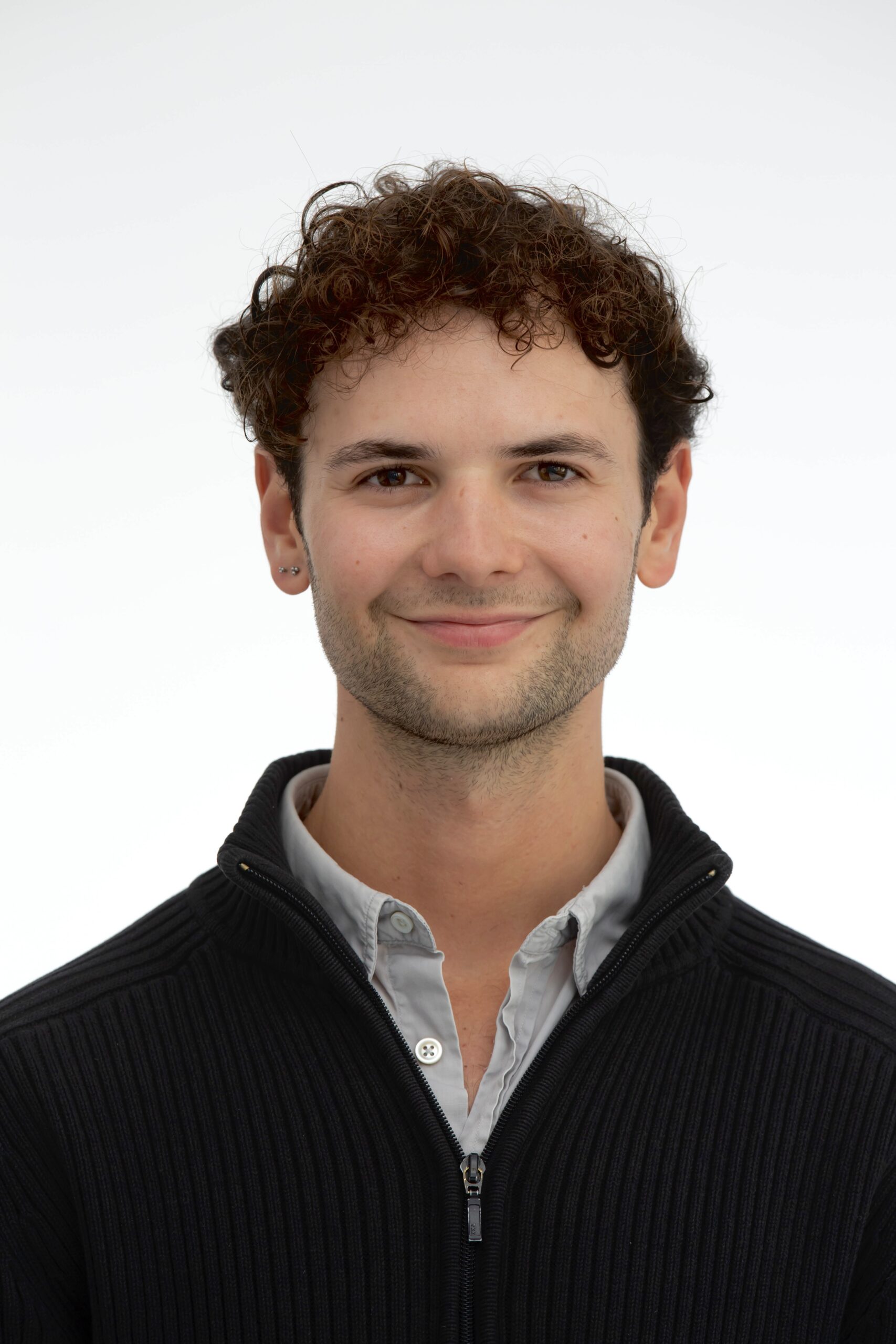
Henry Staub is a Research Associate (PhD Student) at the Department of Psychiatry, Psychosomatic Medicine and Psychotherapy at Goethe University Frankfurt and the Cooperative Brain Imaging Center (CoBIC). His research focuses on brain network dynamics in affective disorders and identifying predictors of response to transcranial magnetic stimulation (TMS). He applies mathematical frameworks, including network control theory, to model large-scale brain dynamics and individual treatment variability.
Franka Timm, M.Sc.
Research Associate (PhD)
Department of Psychiatry, Psychosomatic Medicine and Psychotherapy
+49(0)69 6301-95670
f.timmmed.uni-frankfurt.de
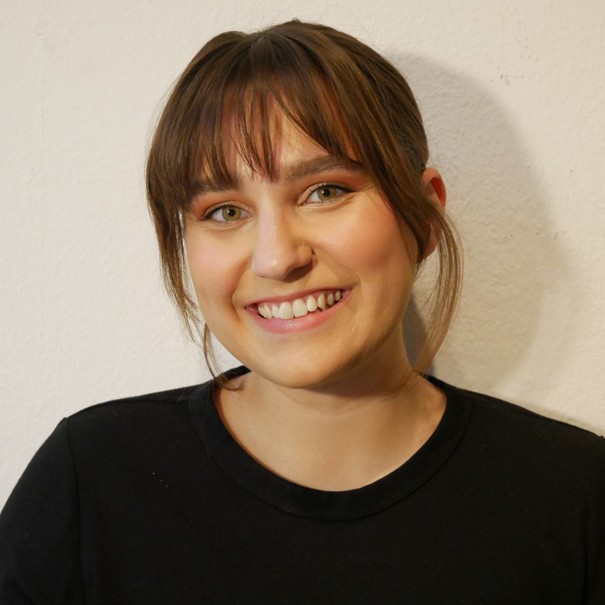
Franka Timm is a Research Associate (PhD Student) at the Department of Psychiatry, Psychosomatic Medicine and Psychotherapy at Goethe University Frankfurt and the Cooperative Brain Imaging Center (CoBIC). Her research focuses on conceptualizing psychiatric disorders as brain disorders and advancing predictive, personalized psychiatry. She specializes in normative modeling of brain differences using neuroimaging to identify neurobiological markers linked to cognitive and clinical outcomes, as well as modeling non-invasive brain stimulation effects.
The group is complemented by MD candidates, as well as graduate students, working on thesis projects.
Neurometabolic Lab
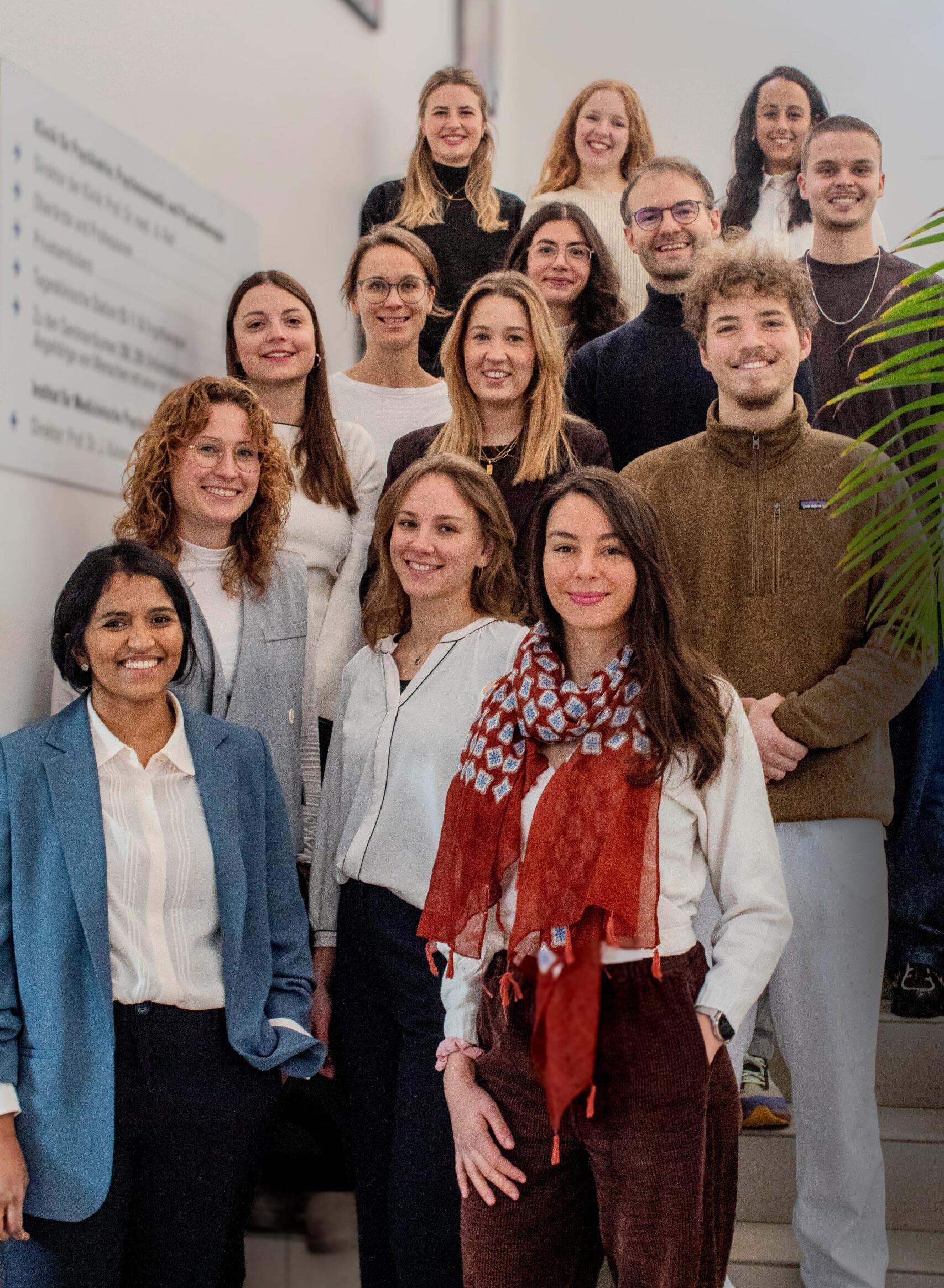
Our lab investigates how metabolic signals shape brain networks and energy metabolism.
Our lab investigates how metabolic signals impact mesolimbic and cortical networks and brain energy metabolism to link metabolic state with mental health. We use insulin resistance and depression as model disorders to uncover neurometabolic pathways that can be targeted through pharmacologica, neuromodulatory and lifestyle interventions.
Our mission is to translate mechanistic insights about neurometabolic circuits into actionable targets for prevention and treatment, using intervention studies and multimodal readouts. We integrate clinical, basic, and computational perspectives to design studies that are directly oriented toward improving patients’ metabolic and mental health.
Methods
- Neuroimaging (fMRI)
- Metabolic phenotyping
- Clinical and behavioral assessments
- Intervention studies
- Neuromodulation
- Biomarker profiling
- Microbiome analyses
- Neuropsychological testing
- Translational clinical studies
- Computational modelling
Group members Neurometabolic Lab
PD Dr. Sharmili Edwin Thanarajah
PI Neurometabolic Lab
Department of Psychiatry, Psychosomatic Medicine and Psychotherapy
+49(0)69630195674
jacobsenmed.uni-frankfurt.de
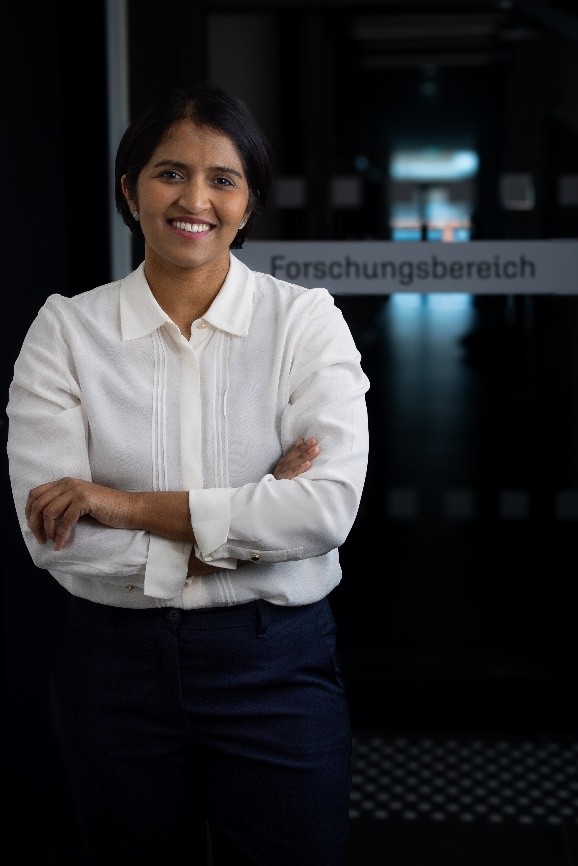
PD Dr. Sharmili Edwin Thanarajah is Principal Investigator of the Neurometabolic Lab and Senior Consultant Psychiatrist at Goethe University Frankfurt and heads the Metabolic Unit at the Schiffer Campus. She leads the “Neurometabolic Circuitry” group, coordinates interdisciplinary research and clinical work, supervises team members, and advances translational approaches linking metabolism and mental health.
More information about our group: https://www.neurometabolic-lab.de/
Leona Jacobsen
Labmanager
Department of Psychiatry, Psychosomatic Medicine and Psychotherapy
+49(0)69630195674
jacobsenmed.uni-frankfurt.de
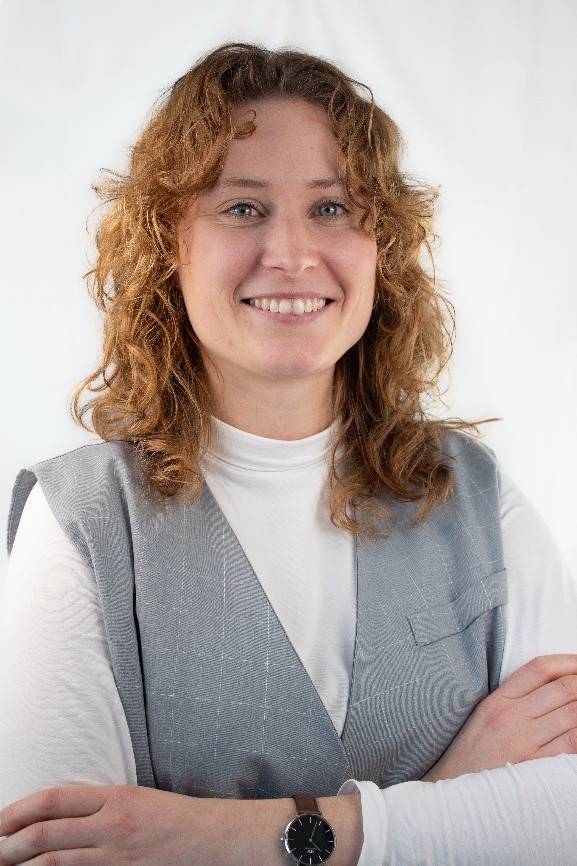
Leona Jacobsen is a Lab Manager at the Neurometabolic Lab. She oversees lab organization, coordinates workflows, and manages internal and external communication, including website content and outreach materials. She supports research projects through planning, resource management, and administrative coordination.
Dr. med. Mareike Aichholzer
Postdoctoral Researcher Neurometabolic Lab, Clinician Scientist, Senior Physician (acting)
Department of Psychiatry, Psychosomatic Medicine and Psychotherapy
aichholzermed.uni-frankfurt.de
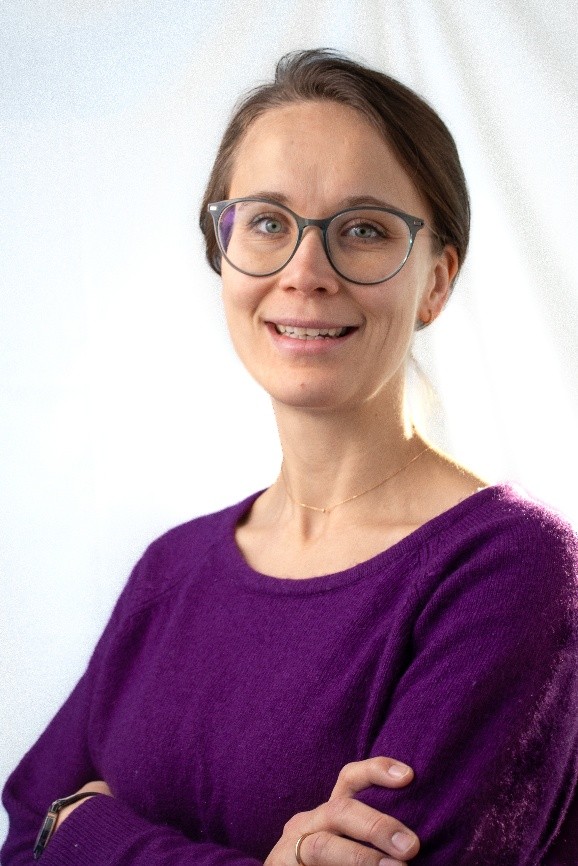
Her research focuses on the role of the blood-brain barrier in depression, the impact of hormonal changes during perimenopause on mental health, and associated metabolic alterations. She is a postdoctoral researcher in the Neurometabolic Lab and is funded through the DFG Clinician Scientist Program INDEEP. Since 2023, she has been a board-certified specialist in psychiatry and psychotherapy, and since 2025 she serves as Acting Senior Physician at the Department of Psychiatry and Psychotherapy at University Hospital Frankfurt.
Dr Paul Forbes
Postdoc
Department of Psychiatry, Psychosomatic Medicine and Psychotherapy
+49(0)69630195674
forbesmed.uni-frankfurt.de
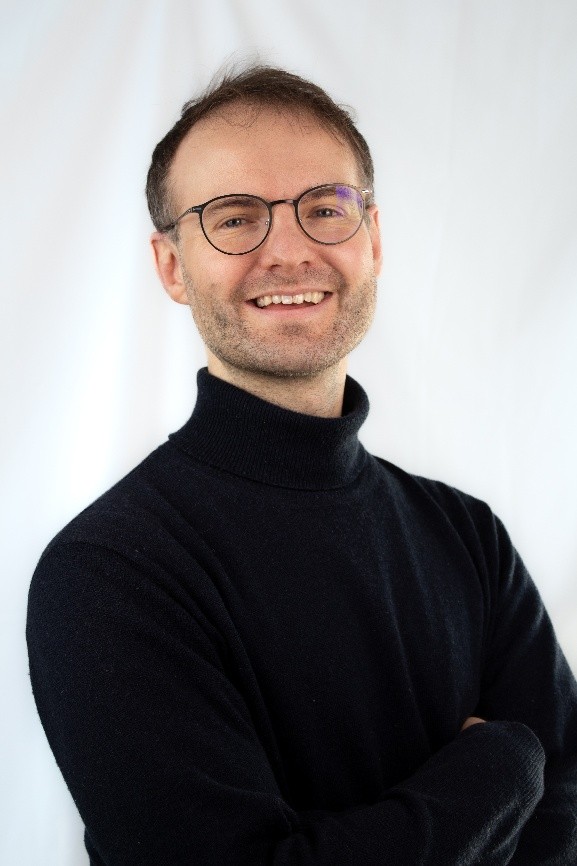
Paul Forbes investigates how stress and metabolic states influence decision-making, reward processing and psychiatric symptoms. He combines neuroimaging with behavioural and metabolic assessments. His current research focuses on the neurometabolic mechanisms underlying fasting as a potential treatment for depression.
Carmen Uckermark (M.Sc. Neuroscience)
PhD Neurometabolic Lab
Department of Psychiatry, Psychosomatic Medicine and Psychotherapy
+49(0)69 6301 95673
uckermarkmed.uni-frankfurt.de
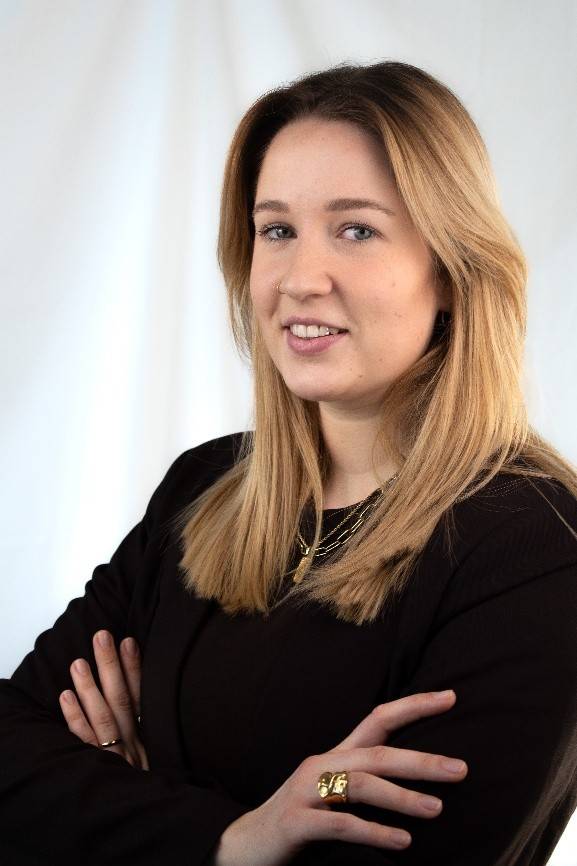
The doctoral researcher investigates metabolic dysregulation as a neurobiological mechanism of neuropsychiatric symptoms in Long COVID. The work includes an MRI/MRS intervention study with intranasal insulin and employs multimodal approaches to advance mechanistic insight into brain- metabolism interactions and inform targeted therapeutic strategies.
Aicha Bouzouina, M.Sc.
PhD. Candidate in Metabolic Circuitry Lab
Department of Psychiatry, Psychosomatic Medicine and Psychotherapy
+49(0)696301-95673
bouzouinamed.uni-frankfurt.de
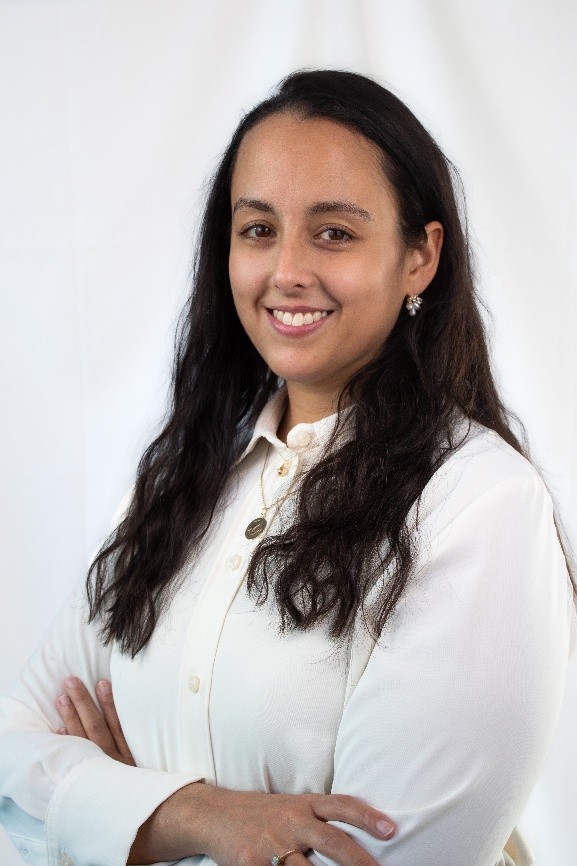
Aicha Bouzouina is a PhD candidate in neuropsychiatry at University Hospital Frankfurt. Her research focuses on the neurobiological mechanisms linking depression and metabolic disorders, particularly obesity and insulin resistance. Using multimodal approaches including fMRI, behavioral paradigms, and peripheral biomarkers, she investigates alterations in emotion and reward processing to better understand comorbidity and support the development of personalized treatment approaches.
Elif Ertas, M.Sc.
PhD Student
Department of Psychiatry, Psychosomatic Medicine and Psychotherapy
ertasmed.uni-frankfurt.de
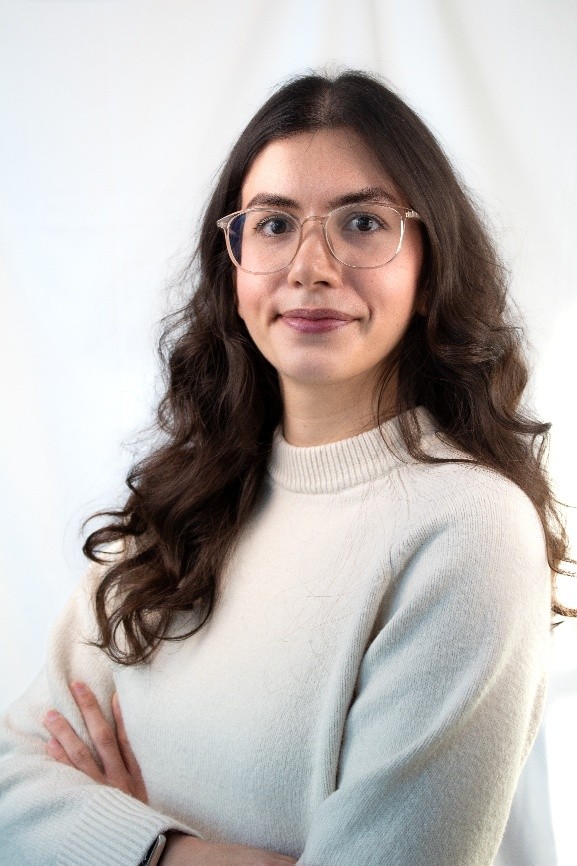
Elif Ertas is a doctoral student at University Hospital Frankfurt. Her research focuses on how metabolic dysregulation induced by a Western diet and obesity influences inflammatory responses and sickness behavior following viral immune activation. Using animal models, her work combines behavioral assessments and multi-organ tissue analyses to study systemic and neuroinflammatory mechanisms.
Christina Werning, MSc.
PhD Student
Department of Psychiatry, Psychosomatic Medicine and Psychotherapy
+49(0)69-6301-95673
werning.amed.uni-frankfurt.de
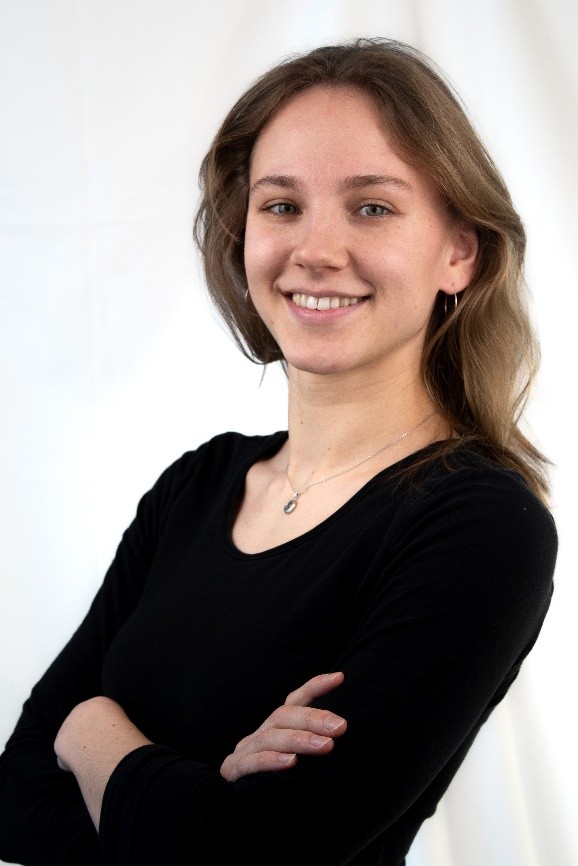
Christina Werning has been a PhD candidate in the Neurometabolic Circuitry research group. She completed her master’s thesis in the same group, where she investigated in vitro stimulated Th17 cells in major depression. In her doctoral research, she continues to examine inflammatory mechanisms and gut-immune interactions in depression, with a particular focus on short-chain fatty acids and microbiome-targeted interventions, and their potential effects on symptomatology in an inflammatory subtype of depression.