
Chris Kell is a Dr. Senckenberg Professor for Translational Neuroscience at Goethe university bridging the gap between basic neuroscience and clinical neurology. After a wet lab thesis on time-of-day modulation of gene transcription in the rodent brain and a clinical specialization in Neurology in Frankfurt he received postdoctoral training in the neuroscience of physiological and pathological speech production at the Ecole Normale Supérieure in Paris. As an Emmy Noether research group leader, he investigated the neural bases of hemispheric specialization for speech production. His vision for research at the CoBIC is to promote interactions between theoreticians, neuroscientists, clinicians, and computer scientists to find better answers to pressing research questions.
Translational Neuroscience
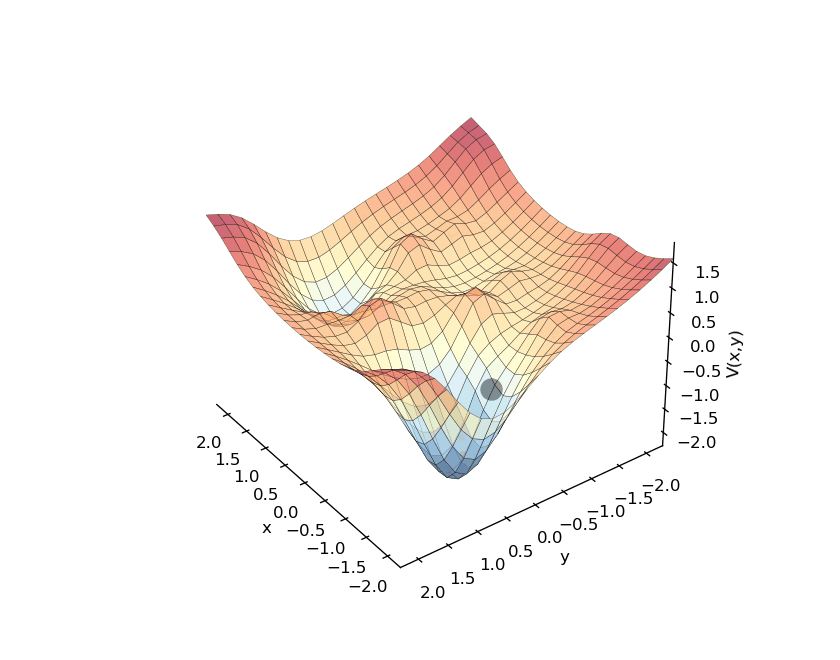
The Translational Neuroscience group investigates the neurobiological processes underlying action control and uses gained insights to develop new therapeutic approaches for patients with neuropsychiatric diseases.
We study how neural processing is temporally structured across multiple levels of control – from milliseconds in sensorimotor coordination to slower time scales relevant for cognition. Our research projects are inspired by a theoretical framework in which symptoms arise from timing deficits in a hierarchy of control loops that dynamically couple with the environment.
The group leverages time-resolved neurophysiological techniques to capture fast neural dynamics underlying temporal cognition and develops formal models to link brain activity with behavior.
This multimodal strategy allows us to test mechanistic hypotheses about how temporal information is encoded in neural population activity and how these representations scale across tasks and contexts. Ultimately, the goal is to establish a unified framework that explains how temporal structure organizes cognition, action, and communication.
We focus our translational efforts on people who stutter, adolescents with developmental language disorder and patients with Parkinson’s disease. By characterizing the timing deficits in these populations, we build the basis for developing new therapies. These include invasive or non-invasive neuromodulation and modified sensory feedback in closed-loop control.
- EEG/MEG
- ECoG
- fMRI
- closed-loop action control
- computational modeling
Group members
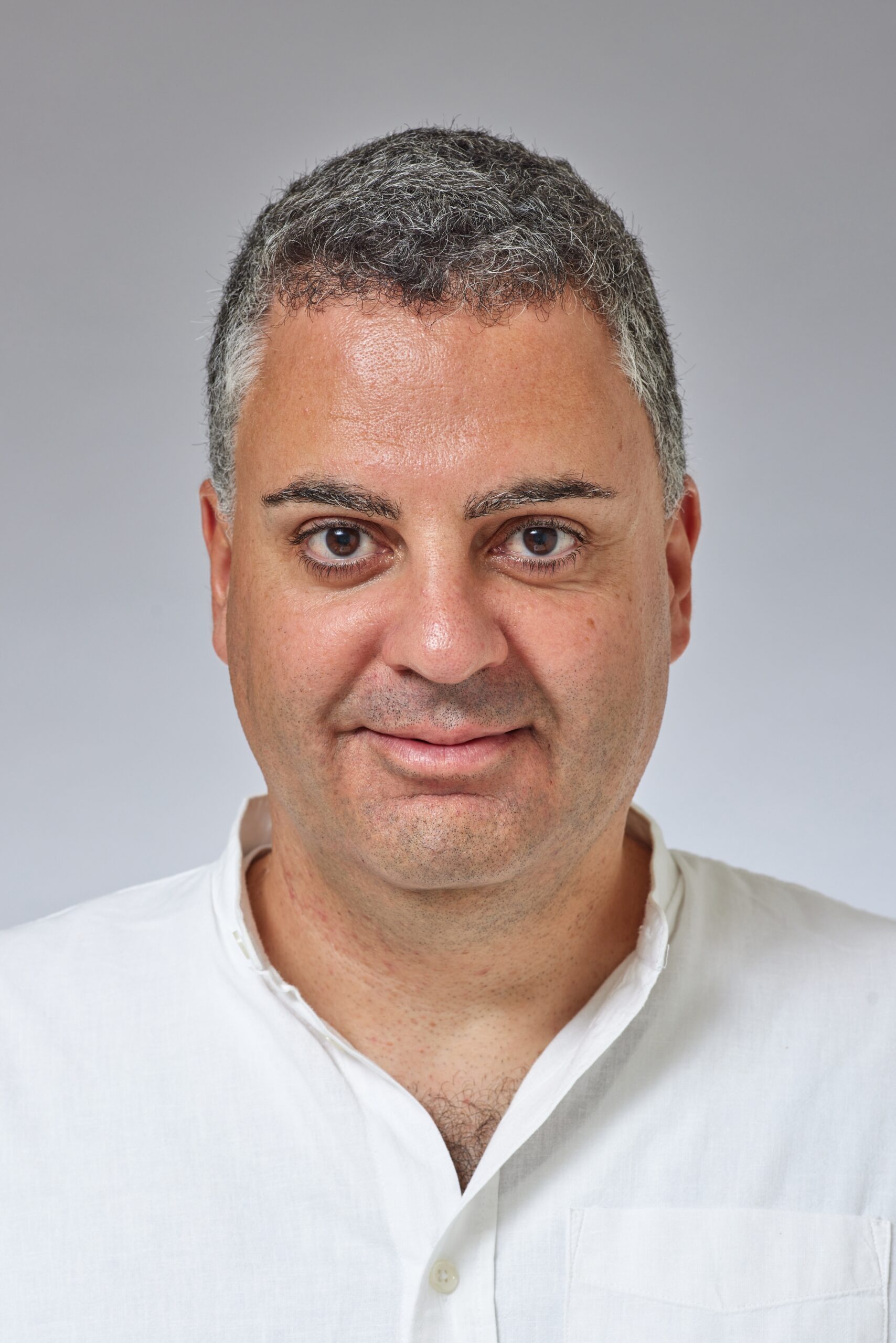
Prof. Dr. Christian Kell
Dr. Senckenberg Professor for Translational Neuroscience
CoBIC Director
+49 (0)69 6301 95650
c.kell(at)em.uni-frankfurt.de
Johannes Kasper
PhD candidate
+49 (0)69 6301 95651
jokasper(at)uni-frankfurt.de
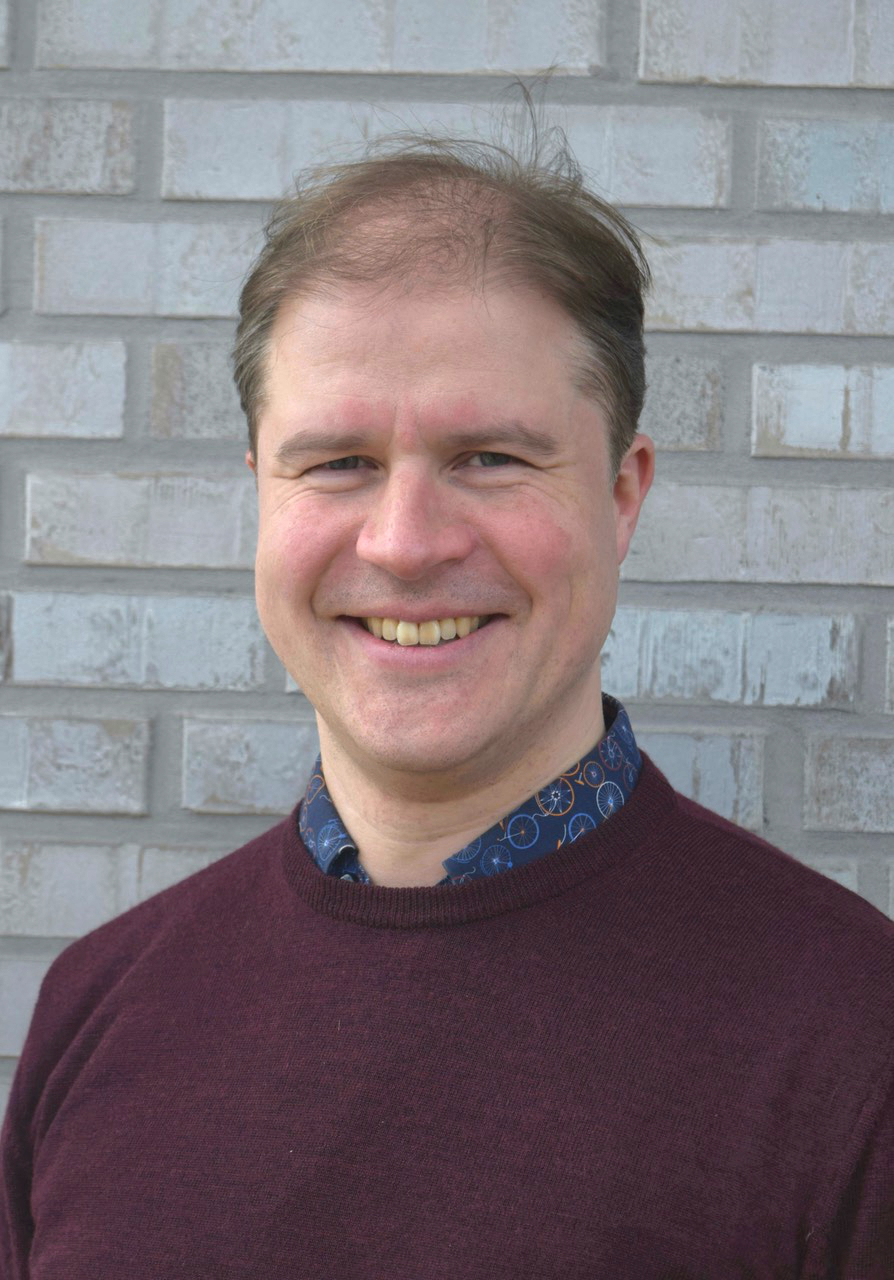
Johannes Kasper studied music, biology and neuroscience in Mannheim, Basel and Frankfurt. His core interests spiral around closed-loop sensorimotor control with a focus on the auditory domain. He applies behavioral, electro- and magnetoencephalographic measurements as well as computational and advanced statistical modeling to develop and test theories on action control. He aims to better understand the utility of biased sampling of sensory information when adapting to novel sensorimotor contingencies while stabilizing established skills in noisy environments, as well as other “short cuts” that deviate from theoretically optimal behavior.
Jonathan Möller
PhD candidate
+49 (0)69 6301 95651
Jo.moeller(at)med.uni-frankfurt.de
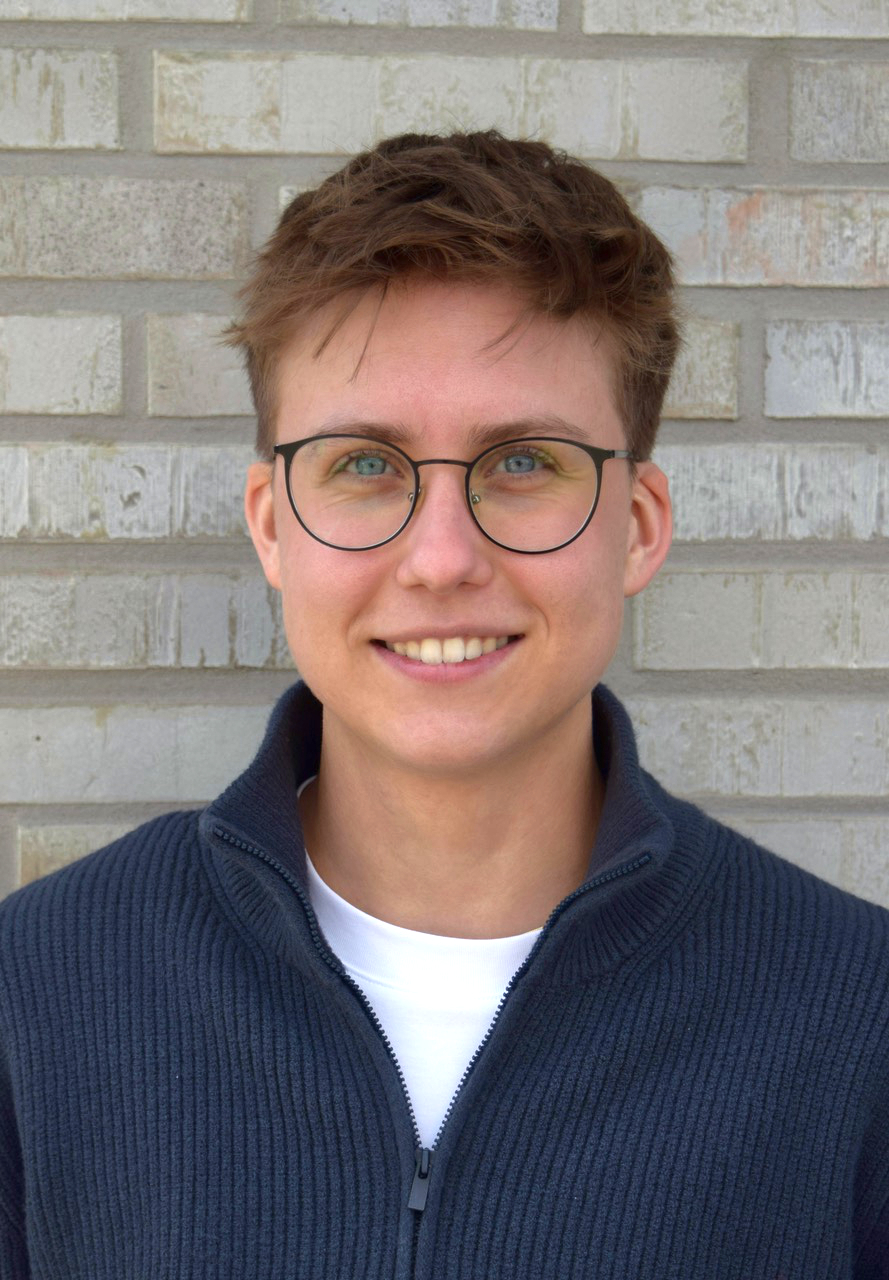
Jonathan Möller completed his bachelor’s degree in Bioinformatics at Goethe University Frankfurt in 2022 and his master’s degree in Neural and Behavioural Sciences at Tuebingen University in 2025. During his studies he focused on Computational Psychiatry studying children’s mental health and illness, as well as automated lesion detection in focal epilepsy. He conducted his thesis research at the Mental Health Mapping Lab, developing normative models for multimodal brain imaging data. Since January 2026, he investigates synchronicity of brain networks in children who stutter.
David Goffitzer
MD candidate
+49 (0)69 6301 95651
David.goffitzer(at)stud.uni-frankfurt.de
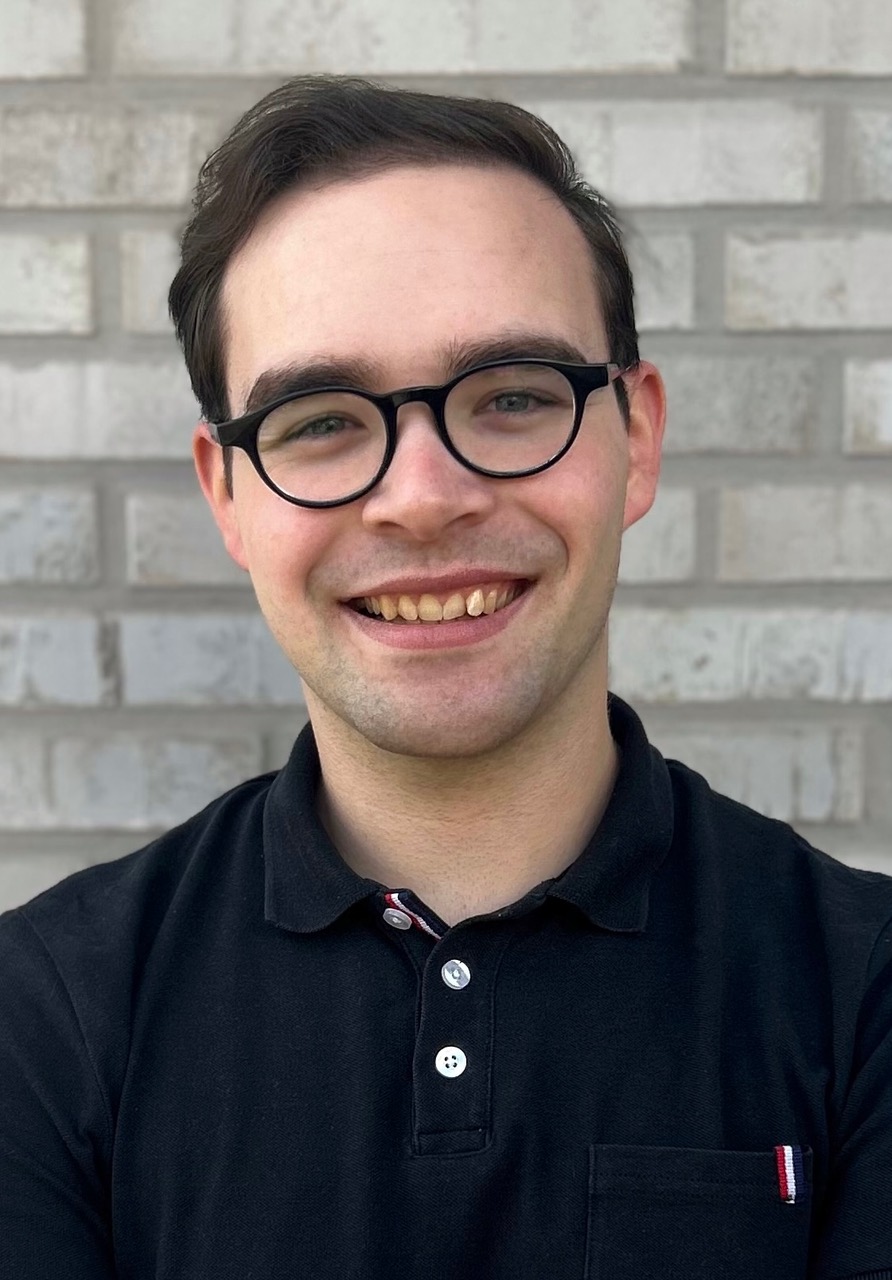
David Goffitzer is a medical student at Goethe University since October 2022 and joined the Translational Neuroscience group at CoBIC as an MD candidate in 2025. Driven by a long-standing fascination with the complexities of the human brain and building on his clinical background from internships in neurosurgery, David aims to contribute to a deeper understanding of neural connectivity and its clinical implications.
Farrukh Mehdi
Master thesis student
+49 (0)69 6301 95651
farrukh.mehdi(at)stud.uni-frankfurt.de
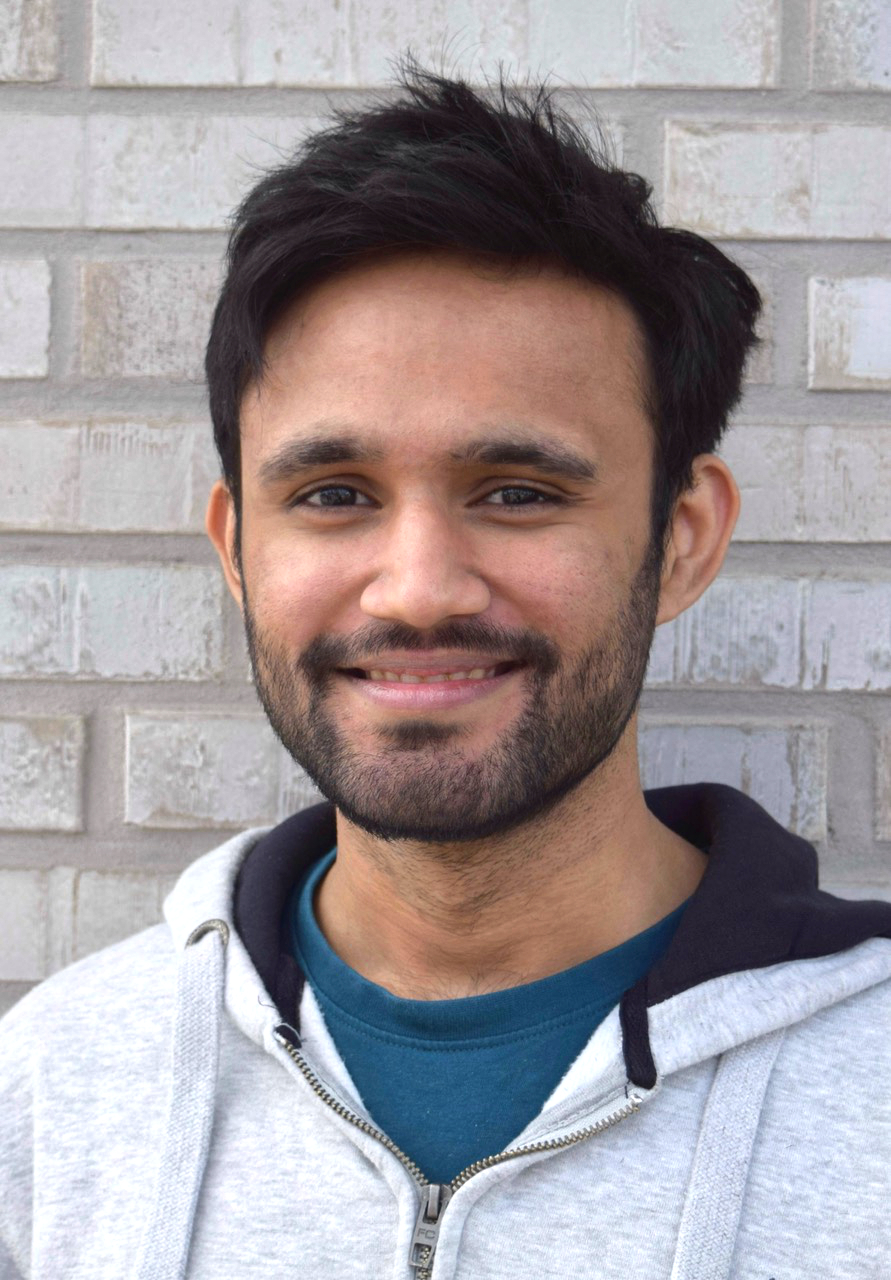
Farrukh Mehdi completed his Bachelor’s degree in Biomedical Engineering in Karachi, Pakistan, where his thesis focused on neurorehabilitation approaches for Cannabis users. Having personally experienced and overcome stuttering, Farrukh has developed a strong interest in the neural dynamics underlying this condition. This interest drives his current Master’s thesis in Interdisciplinary Neuroscience, which investigates synchronization–continuation tapping in individuals who stutter, with a particular focus on how tapping-based feedback influences their performance.